Most studios of five to fifty people price from a rate card set two years ago, staff from a feeling, and find out a project lost money when the year closes. Every input needed to fix that already exists in your business — it is just spread across four files nobody joins up.
The three questions an agency lives on, answered from the same records rather than from three different guesses.
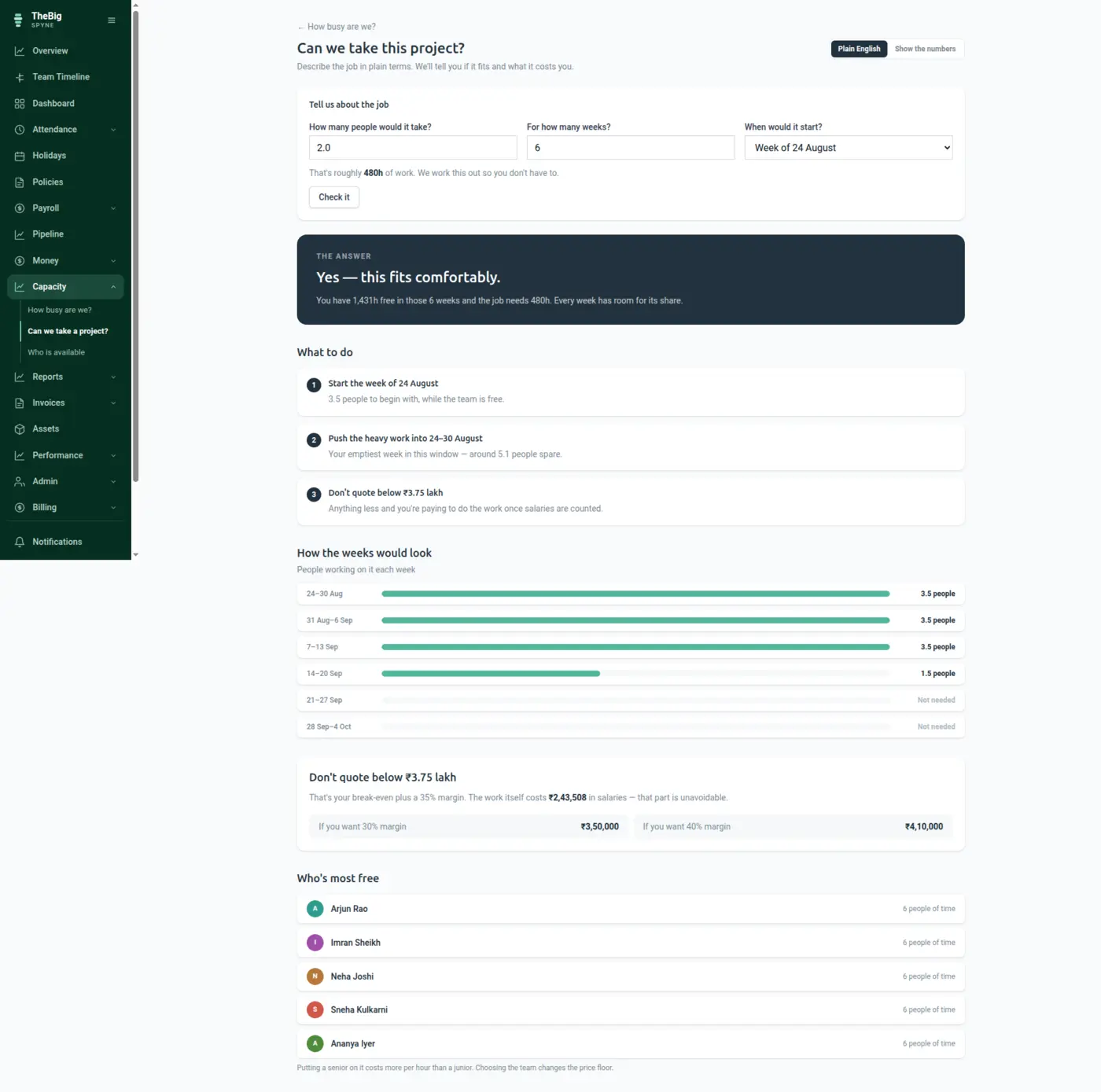
Before the proposal: the hours the team genuinely has free after leave, holidays and existing commitments — and what those hours cost in real salary. That cost is your floor. Capacity planning.
A day at a time, with estimates against logged hours on every task, so an overrun is visible on the Tuesday rather than at the retrospective. Team Timeline.
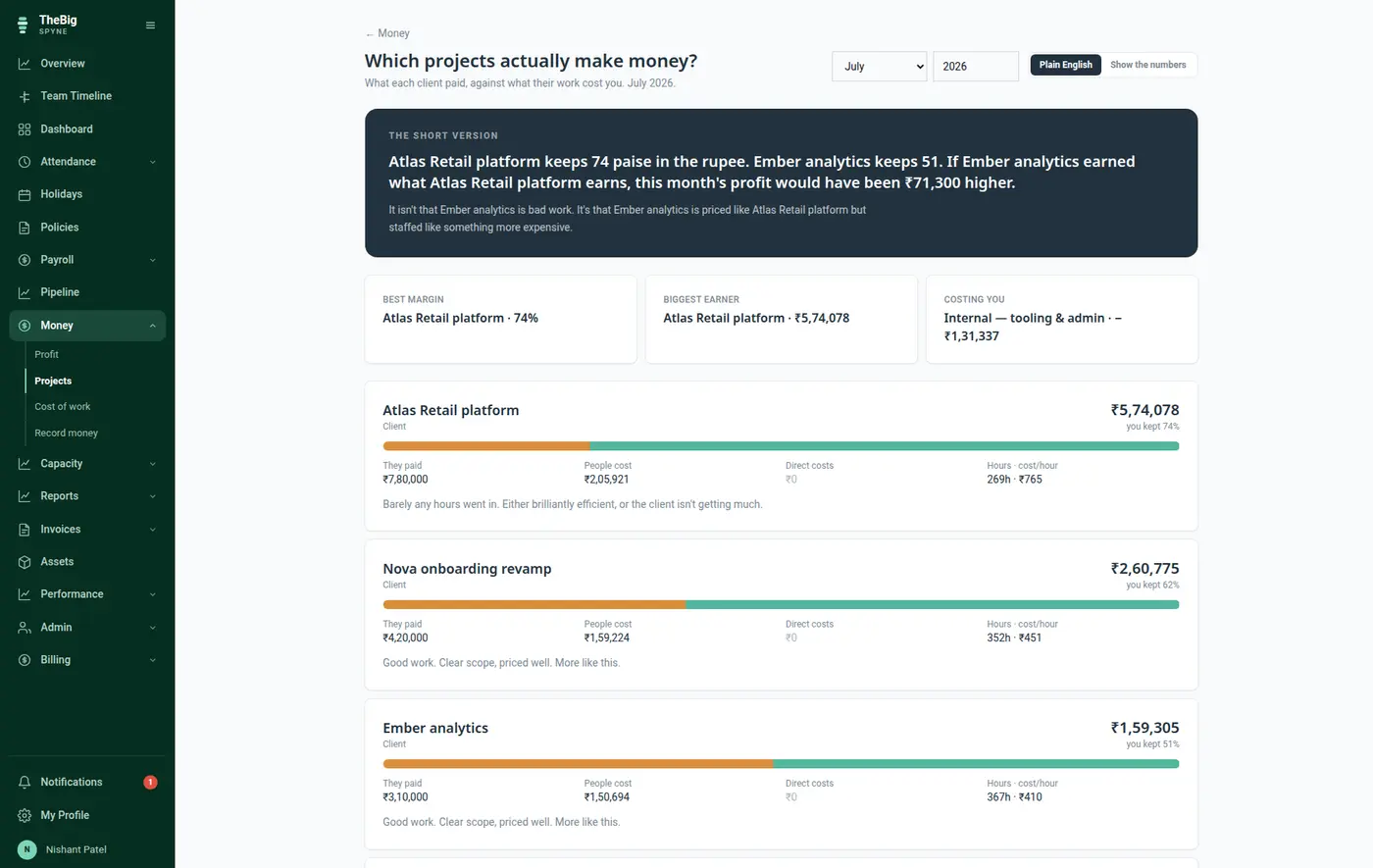
Revenue from the invoices you raised against the salary cost of the hours that went in — not a rate card. Project profitability.
Not the rate you bill. The cost: what somebody is paid, plus the employer's PF and gratuity accrual, minus the share of their month that went on leave and holidays, divided by the hours they were expected to work.
Studios usually buy a project tool and run people on spreadsheets, or buy an HR tool and run projects on a board. Both halves are here, and they are the same record.
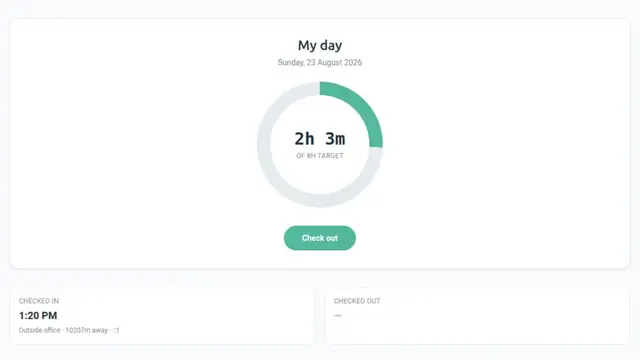
Check-in, check-out and the evidence behind both.
Read more →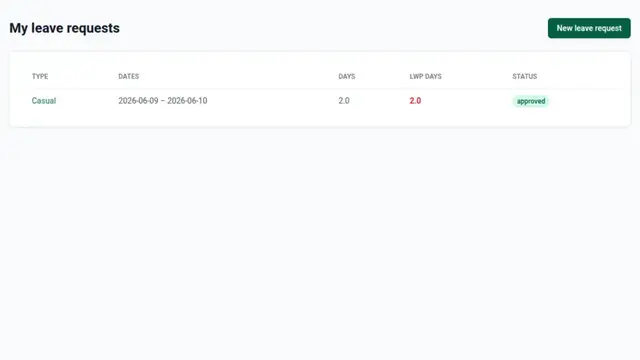
Balances that can explain themselves.
Read more →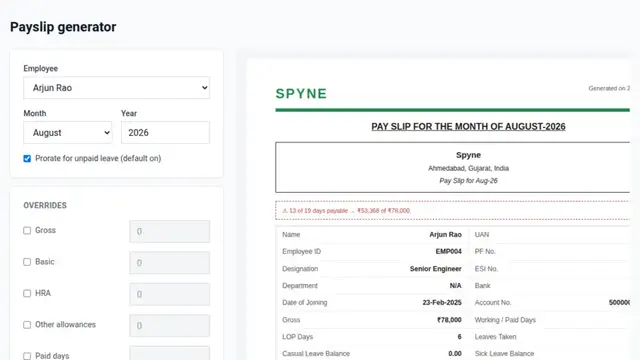
Computed from attendance, issued as a snapshot.
Read more →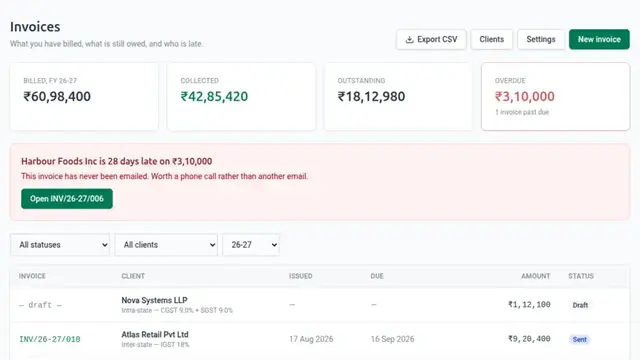
GST-correct invoices, numbered without gaps.
Read more →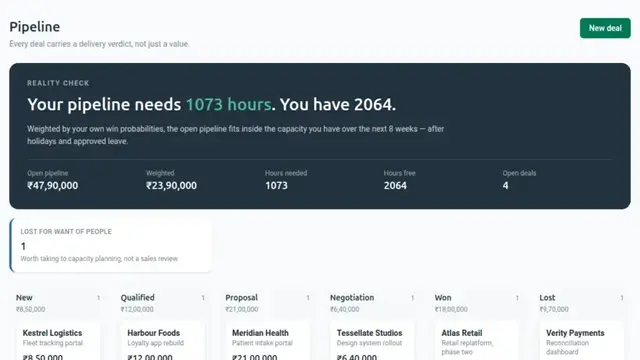
Deals, and whether you can actually deliver them.
Read more →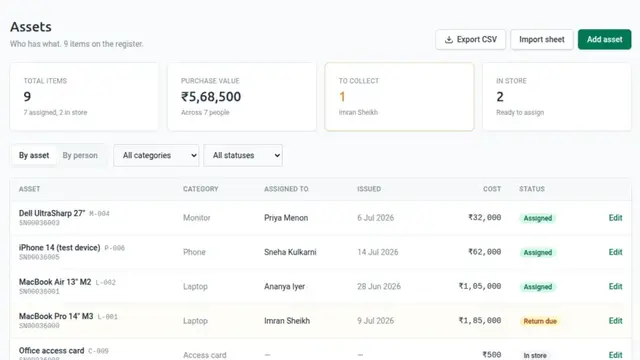
Who has the laptop, and since when.
Read more →You probably should not change both. The gap Spyne fills is the join: hours in one tool and salaries in another can never tell you what a project cost. If your two tools already talk to each other well enough to answer that, keep them.
Partially, and it tells you how partially. Unlogged hours are reported as unlogged rather than spread across projects, so you get an honest partial picture and a number that shows how much of it to trust. Most teams improve once they can see the gap.
Eight is squarely who this is for. You do not have to switch everything on — plenty of customers run attendance, leave and payroll for months before touching the delivery side.
Yes. A retainer is a client with recurring invoices and a project the hours are logged to, so it costs and margins the same way. The invoice numbering, GST treatment and payment tracking work identically.
Thirty days free. Generate a sample studio in one click to see the whole loop with realistic numbers, then run a real month alongside your spreadsheet.